The Remote International Mentoring Partnership Scheme
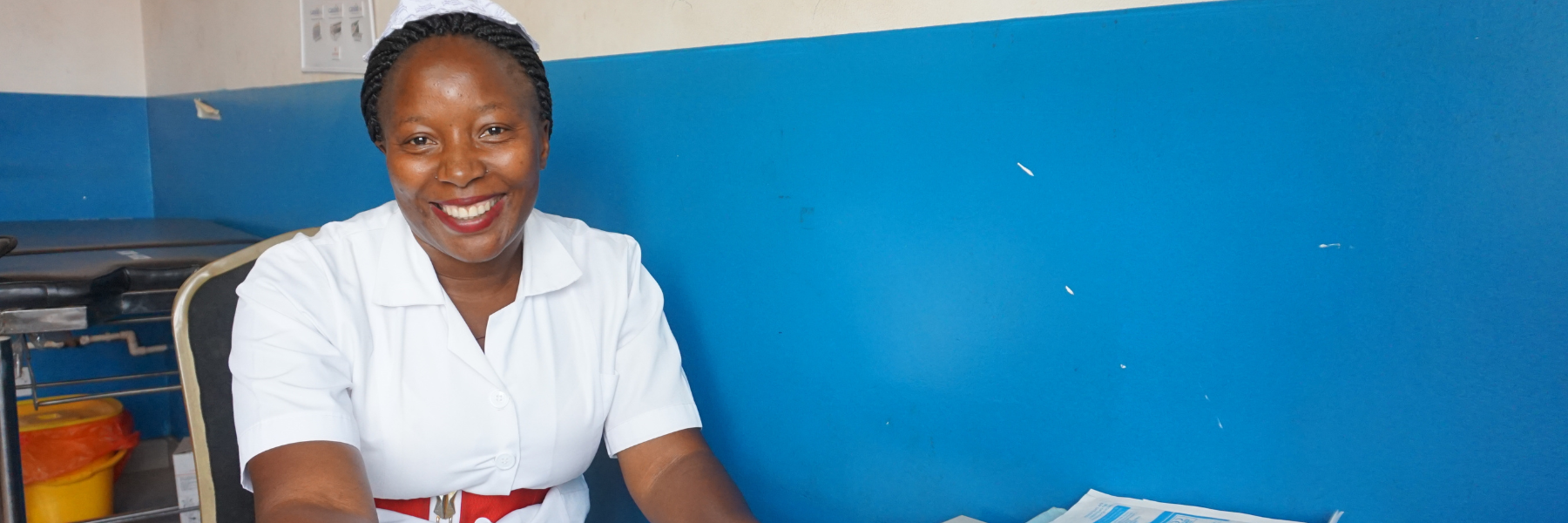
The Remote International Mentoring Partnership Scheme (RIMPS) is a structured remote mentoring initiative connecting UK health professionals with health workers in Low- and Middle-Income Countries (LMICs) to strengthen workforce capacity, professional confidence and leadership in healthcare delivery.

The programme overview
Managed by Global Health Partnerships (formerly THET), the programme tested an innovative, low-cost mentoring model that generated significant learning relative to its scale, while remaining capable of operating in challenging and low-resource environments, including conflict-affected and fragile settings.
Between January 2024 and July 2025, ten Health Partnerships were awarded small grants of approximately £3,500 each to design and deliver remote mentoring projects tailored to local needs. Each partnership aimed to support up to twelve mentees, with active programmes implemented in Ethiopia, Myanmar, Somaliland, Tanzania, Uganda, Yemen and Zambia.
Impact
RIMPS demonstrated that high-quality mentoring relationships can be established and sustained remotely, even in complex and resource-constrained settings. Across participating countries, mentees reported increased confidence in clinical practice, stronger leadership and communication skills, and improved ability to problem-solve in their local contexts. Mentors and mentees alike highlighted the value of structured, regular engagement and the opportunity to share knowledge and experience across contexts.
The programme also generated important operational learning. It showed that small, flexible grants can enable locally led innovation, with partnerships adapting approaches to suit connectivity challenges, language needs and varying levels of mentor and mentee experience. Importantly, RIMPS highlighted the potential for remote mentoring to complement existing capacity-strengthening approaches, offering a scalable and cost-effective model that can continue to function during periods of instability or restricted travel.
For a more detailed analysis of outcomes, learning and recommendations, please see the full impact report.
This programme is now closed.