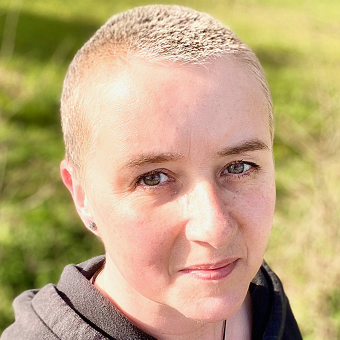
Julie Storr
RGN BNurse MBA MHS
Biography
Julie is an MBA graduate and graduate nurse from the University of Manchester, where she also trained as a Health Visitor. Julie is a global health consultant, co-founder and director at S3 Global. She has worked internationally for the last fifteen years, predominantly as an expert with WHO on the development, implementation and evaluation of global improvement programmes in the field of patient safety, quality and infection prevention and control, with a focus on behaviour change. She is currently supporting WHO’s Water Sanitation and Health (WASH), Antimicrobial Resistance and Quality Teams.
Her technical and leadership expertise was called on to support WHO’s Ebola response and recovery efforts in 2014/15, with a focus on national policy development in Sierra Leone.
She has led on the development of evidence-based WHO Guidelines (Core Components of Infection Prevention and Control Programmes at the National and Acute Health Care Facility Level, 2016) and implementation support packages.
She was previously President of the Infection Prevention Society of the UK and Ireland, Assistant Director at the English National Patient Safety Agency and Director of the award winning national cleanyourhands campaign. Julie has authored a book (Perspectives and Perceptions of IPC – highly commended at the 2016 BMA Medical Book Awards), published widely in the academic literature and is currently writing a follow up book focused on infection prevention and control and the social sciences. She is peer reviewer of a range of academic journals. One of her recent papers on infection prevention and control and universal health coverage and quality was awarded research paper of the year in the Journal of Research in Nursing in 2017. Julie is a trustee at Peoples Uni and a steering group member of Health Information for All (HIFA). She was recently awarded a Masters in Health Science from Johns Hopkins School of Public Health.
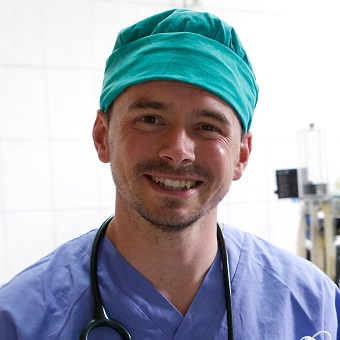
Tom Bashford
Biography
Tom is a Clinical Research Fellow funded by the NIHR Global Health Research Group on Neurotrauma, and a Specialist Registrar in Anaesthesia at Addenbrooke’s Hospital. His academic interest is in developing a systems approach to global health, working between the Health Systems Engineering Group in the University Division of Anaesthesia, and the Healthcare Design Group in the Department of Engineering, at the University of Cambridge.
Tom’s introduction to global health came working with VSO in Ethiopia between 2011-2012, where he subsequently lead a programme of work for Lifebox Foundation. For the past 5 years he has worked on the Cambridge-Yangon Trauma Intervention Project which runs through Cambridge Global Health Partnerships, of which is he is a Committee member. He sits on the Global Health teaching faculty at the University of Cambridge School of Clinical Medicine, and teaches on the MSc in Global Health with Surgery & Anaesthesia at King’s College London. Tom is the current President of the World Anaesthesia Society, the Specialist Society for UK anaesthetists interested in global health.
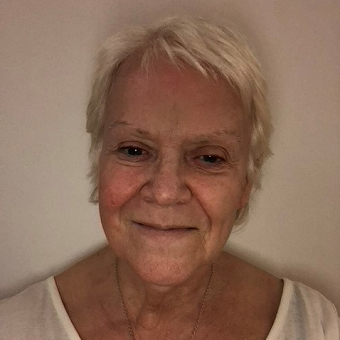
Dr Kerri Jones
Biography
Until 2016, Kerri was Consultant in Anaesthesia & Critical Care at Torbay Hospital, Devon where she led day surgery, pre-operative assessment and enhanced recovery development. After acquisition of a large Department of Health grant to promote innovation, she became the first NHS Associate Medical Director for Innovation & Improvement through which she co-developed the Horizon Centre for Innovation, Education & Research. She became an adviser to several national Department of Health programmes and was named as one of the HSJ ’50 top NHS innovators’ in 2014. She was a Council member of the British Association of Day Surgery and President of the Society of Anaesthetist for the SW region.
Kerri started work in Kenya in 2009, initially volunteering as an anaesthetist on trauma surgery projects. She established a THET health partnership which was awarded several DFID grants, enabling the development of further clinical & teaching initiatives. She co-founded the charity Future Health Africa www.futurehealthafrica.org, to support work in LMICs. From the start of the Kenya work, she saw the urgent need for system improvement to accompany clinical initiatives and created the q4a (quality for all) faculty within Future Health Africa. This faculty designed and now delivers a Quality Improvement & Leadership skills training programme (SPRINGBOARD) to empower front-line healthworkers to make their own system improvements. To date, the q4a work has attracted 3 DFID grants. She is a founding Board member of the new Society for Quality Healthcare in Kenya (SQHK). She holds an Honorary Associate Professorship at the University of Plymouth where she lectures ad hoc on topics related to global health, innovation and QI. She is part of the Global Health Collaborative at the University which she helped to establish. She is an Honorary Research Fellow at the University of Exeter Business School where she contributed to a large EU-funded 3 year innovation research programme (TACIT). She started her role as Honorary Adviser to THET in January 2020.
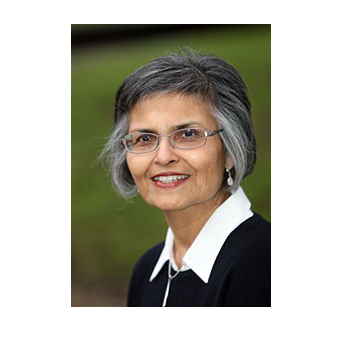
Professor Mala Rao, OBE
Senior Clinical Fellow, Department of Primary Care and Public Health, Imperial College London
Biography
Professor Mala Rao is a Senior Clinical Fellow at the Department of Primary Care and Public Health, Imperial College London, Medical Adviser to NHS England on Workforce Race Equality, and Vice Chair, WaterAid UK.
She was born and raised in India, where she decided while still a young girl that she would become a doctor. She studied medicine in Delhi at the height of the small pox eradication era, and was inspired to specialize in public health by the success of the systematic efforts of doctors and their teams to rid the world of this scourge.
While in the UK pursuing postgraduate training, Dr. Rao was recruited to the NHS training programme for public health at the London School of Hygiene and Tropical Medicine. During her training years, she married a fellow junior doctor who became a rural GP in England, and they had three daughters.
In her early career, Dr. Rao spent 17 years as an NHS consultant, and later Director of Public Health for her county. She underpinned her public health practice with research, audit, and development. In 1997, she established England’s first evidence-based cancer network, having persuaded 120 clinicians in her Health Authority to work with her towards this common goal.
She spent six years in India, where she led a number of research and development projects aimed at improving access to good quality health care for the poor. Dr. Rao has worked closely with the Indian and UK governments, the World Health Organization, frontline health staff at primary health centers and hospitals, and other organizations to reform health care policies and practice with benefits to millions of disadvantaged people.
In 2003, she became the Head of Public Health Workforce for England, at the Department of Health, London. Her ‘Teaching Public Health Networks’ program has evolved into the UK Healthy Universities Network.
Dr. Rao is globally recognized for championing climate change action and raising awareness of its impacts on women’s health, and access to safe water and sanitation. She instigated and co-edited the ‘Health Practitioner’s Guide to Climate Change’. Dr. Rao is widely published and is the recipient of a number of awards, including being made an Officer of the British Empire by the Queen in 2013 for services to public health in the UK and overseas.
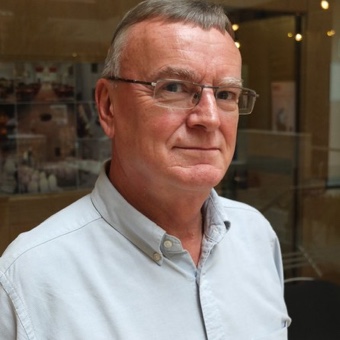
Andrew Jones
Global Health Consultant
Biography
Andrew is an international development specialist who has worked in the sector for nearly thirty years. Most recently, he spent eight years working with THET as Head of Partnerships, before retiring in January 2018. During his time with THET, Andrew led the team which designed and implemented the DFID-funded Health Partnership Scheme.
One of Andrew’s specific interest in Global Health is the provision of access to safe surgery, obstetric, trauma and anesthesia care for people in low- and middle-income countries. He also focuses on the provision of training for biomedical engineers and technicians, whose presence in healthcare facilities can dramatically improve outcomes for patients through the availability of appropriate, functioning equipment.
Since retiring, Andrew has extended this interest and works part-time in a consultancy role for a number of organisations with similar interests.
“For me, access to essential surgery, obstetric, trauma and anaesthesia represents an opportunity to change lives significantly. We should not, for instance, be tolerating the huge prevalence of obstetric fistula which affects the lives of hundreds of thousands of women, almost exclusively in low-resource settings. Obstetric fistula is preventable and fixable, but there remains a shortage of trained professionals to be able to tackle the issue.”
Andrew has four children, three of whom live abroad, so retirement has provided opportunities to connect with them in person, which has been a great privilege for him and his wife, Cilla.
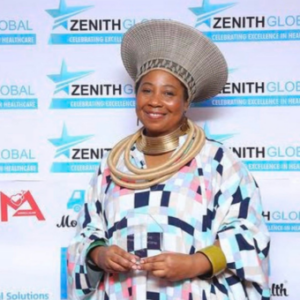
Dorcas Gwata
Public Health Specialist
Biography
Dorcas Gwata is an award-winning frontline Mental Health Nurse, Global Health Consultant, qualified Executive Ubuntu Coach and a published non-fiction writer. She is renowned for her work across health, social justice, and leadership development.
In 2022, she was honoured as The Sun’s Best Nurse, and in 2024 she was named one of the 100 Most Influential BAME Leaders by the Health Service Journal. Dorcas has worked extensively under the Mayor of London’s Office, pioneering a ‘street clinic’ approach to support young people and families affected by gang culture, youth violence, and exploitation, applying trauma-informed care models to communities impacted by knife crime in London.
In her current role as a Diaspora Global Health Consultant, Dorcas works with the Global Health Partnership to design and implement health collaborations between the UK and Zimbabwe. She has been instrumental in promoting bi-directional learning, strengthening diplomatic ties, and recognising the significant contributions of Zimbabwean healthcare professionals within the UK’s health system.
Dorcas is both a Florence Nightingale and Mary Seacole Alumni, and during the COVID-19 pandemic, she played a leading role in tackling institutional racism and healthcare inequalities, advocating for policies that support global majority nurses and midwives in the NHS and in international health contexts.
She also serves as a Non-Executive Director at WWF-UK, a leading environmental organisation, as a Safeguarding Lead Trustee, focusing on protecting the rights and needs of communities most affected by climate change.
As an Executive Ubuntu Coach, Dorcas brings a transformational, humanistic approach to leadership development, grounded in the African philosophy of Ubuntu – “I am because we are.” She partners with both individuals and groups, guiding them to align with their inner values and collective purpose, thereby enhancing leadership effectiveness and authenticity.
Her book, The Street Clinic, Amazon.com: The Street Clinic: 10 Young Lives on the Frontline of Gang Culture: 9781035006915: Gwata, Dorcas: Books published by Picador Macmillan in February 2026, tells the story of young people and families affected by gang culture in London. Her work with young people and families affected by gang culture in London grew out of innovative evidence-based research in low-income countries, extrapolated to high-income countries, improving mental health outcomes in vulnerable groups while addressing health inequalities in the UK
An advocate of holistic wellbeing, Dorcas enjoys yoga, the arts, and spending time in nature.
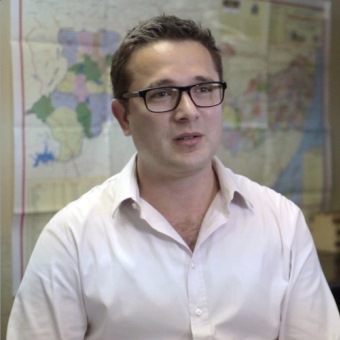
Dr Matthew Harris
Clinical Senior Lecturer in Public Health
Biography
Matthew is a Clinical Senior Lecturer in Public Health, jointly appointed between the Department of Primary Care and Public Health, and the Institute of Global Health Innovation, Imperial College London, and he is an Honorary Consultant in Public Health Medicine in the Imperial College Healthcare NHS Trust. Prior to joining Imperial College London, Matthew worked for several years as a Primary Care physician in Brazil, as a WHO Polio Consultant in Ethiopia, as an HIV Technical Consultant in Mozambique and as a Global Health Advisor to the UK Department of Health. Matthew has been an advisor to the Pan-American Health Organization on issues related to health policy in Brazil and an Expert Witness at the All-Party Parliamentary Group on Global Health. He is a former US Commonwealth Fund Harkness Fellow in Healthcare Policy and Practice (2014-15).
Matthew’s research is on bidirectional learning between the NHS and low-income countries and he has been a passionate advocate for the adoption of frugal healthcare technologies into the NHS, particularly exploring the role of International Health Partnerships as enablers of this process. His research has appeared in journals such as the New England Journal of Medicine, British Medical Journal, International Journal of Integrated Care, Globalization and Health, BMJ Quality and Safety, Qualitative Health Research, Administration and Society, and Public Administration and Development.
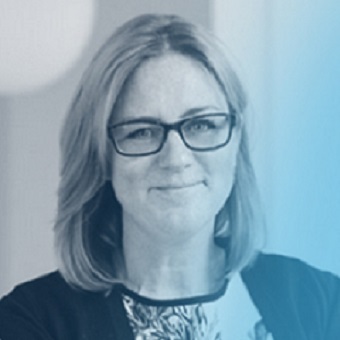
Dr Melinda Rees
Biography
Melinda is a senior commercial, operational and clinical leader who brings over twenty-five years’ leadership and entrepreneurial experience working in mental health care.
Her career includes experience of building strategic level partnerships, engagement with diverse stakeholders and a reputation for converting good ideas into viable operations. Melinda has the added advantage over many in her sector as she brings clinical leadership in addition to balancing vision, tactical, commercial and operational responsibilities.
She has over twenty years’ experience of clinical leadership and practice in the delivery of mental healthcare in the NHS, 3rd sector and Independent Sector, both in the UK and internationally.
Her academic background is in organizational leadership, clinical psychology and healthcare management.
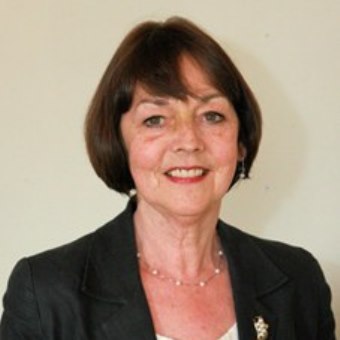
Maura Buchanan
Biography
Maura Buchanan is an Independent Nursing & Healthcare Adviser having retired from NHS in 2012 after twenty-one year of service. Her last NHS appointment was that of Nursing & Quality Projects Lead at the Oxford University Hospitals Trust. For fourteen years, until 2010, Maura managed the hospital’s acute Private Patient Services. Her clinical specialty was Neurosurgery working in this field in Glasgow, London and Oxford. Since relocating back to Scotland, she has held a part-time position as Deputy Nursing Director for ScotNursing, a Glasgow based agency providing nursing and care services.
Maura served as the elected President of the Royal College of Nursing from 2006-2010, Deputy President from 2002-2006 and as Chair of RCN Congress from 1998-2002.
Her professional interests include Healthcare Ethics and Global Health. From October 2012 to December 2014 she was Acting Director of the Uganda UK Health Alliance, aimed at supporting organisations to deliver on the health priorities of the Ugandan Ministry of Health. She was a Trustee of THET from 2009- 2015.
Maura is a member of the Advisory Board of ICE, International Care Ethics Observatory, University of Surrey and Chair of Ethox, The Oxford Foundation for Ethics and Communication in Healthcare Practice.
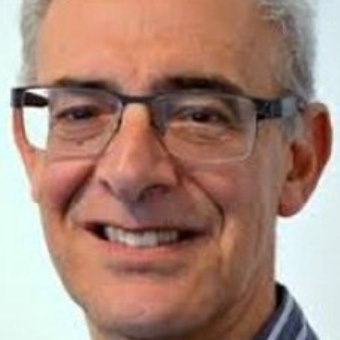
Dr Tom Lissauer
Biography
Dr Tom Lissauer has developed several paediatric health partnership programmes between Imperial College, Royal College of Paediatrics and Child Health, UK and Rwanda in conjunction with the Rwanda Paediatric Association and Rwanda Ministry of Health.
Paediatric life support courses (ETAT+, Emergency Triage and Treatment plus Admission): introduced into Rwanda for health care professionals looking after sick children in hospitals as well as medical students. Initially, instructors were from Kenya, Rwandan instructors now trained. The courses are now running under the auspices of the Royal College of Paediatrics and Child Health in Rwanda Uganda, including quality improvement in hospitals. He is the lead UK Consultant for the Rwanda programme.
Neonatal care in hospitals in Rwanda: introduced basic respiratory support with CPAP (Continuous Positive Airway Pressure) into the largest neonatal units together with training in neonatal monitoring, nutrition, temperature regulation and Kangaroo Mother Care by a team of doctors and nurses.
Patient safety in Rwanda: between the University Teaching Hospital in Butare and the Department of Infection Control at Imperial College Healthcare Trust in London. Part of the WHO African Partnerships for Patient Safety concentrating on infection control.
Special interest in teaching, training and assessment. Editor of widely used textbook for medical undergraduates, the Illustrated Textbook of Paediatrics (Editors Tom Lissauer and Graham Clayden, 4th Edn, Elsevier, 2012) and a brief textbook on neonatology for junior doctors and neonatal nurses, Neonatology at a Glance (Editors Tom Lissauer and Avroy Fanaroff, 3nd Edn, Wiley-Blackwell, 2016) and a book for postgraduate junior doctors, The Science of Paediatrics, MRCPCH Mastercourse (Editors Tom Lissauer and Will Carroll, Elsevier, 2016).
Professor Elisabeth Trimble
Biography
Elisabeth Trimble, previously Professor of Clinical Biochemistry and Metabolic Medicine, Queen’s University Belfast, and Consultant Chemical Pathologist, Royal Group of Hospitals, Belfast; trained first as a Clinical Endocrinologist in Belfast and then spent the next 10+ years at the Institut de Biochimie Clinique, University of Geneva. There, laboratory-based diabetes research, in the group of the late Albert Renold, was the main focus; she also held a part-time honorary consultant post in the university teaching hospital, the HÔpital Cantonal, Geneva.
On return to Belfast she was asked to set up a new university department of Chemical Pathology at Queen’s University and was appointed Consultant Chemical Pathologist at the Royal Group of Hospitals. Clinical duties included diabetes clinics and responsibilities in the regional service for Inherited Metabolic Diseases (laboratory diagnostics and clinical management); diabetes research continued, both laboratory-based and clinical. Since stepping down from this post she has been involved with the THET NCD programme in Ethiopia and has lost her heart to its rural people.
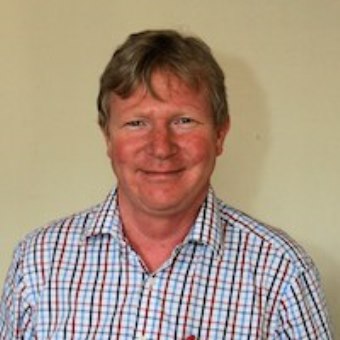
Andy Bacon
Biography
Andy Bacon has been a senior health leader for 17 years in England and overseas. He has worked in the public, private and the charitable/not for profit sector. He has also worked with primary care, community and hospital based services (including specialist tertiary teaching hospitals). He has been involved in both the providing of clinical services and in the commissioning, purchasing and procurement of them. His particular areas of interest are developing integrated health systems, diagnostics and improving health in less well developed countries. He has been responsible for the delivery of new networks and types of providers to enhance the capacity of in the English National Health Service (NHS).
He was also the Chief Executive of the only specialist children’s hospital in East and Central Africa. His job is managing the health system for the Regional Headquarters of the Northwest of England (c population 7 million) but is currently on secondment to support the coordination of care of care for a population of 450,000 people (between General Practitioners, community services and hospital based physical and mental health services and linking this with the personal care needs of people). He is currently leading work on providing better services for members of the Armed Forces, where he served for 13 years before his work in health. He is “passionately curious” about finding new ways of improving people’s health that meet local needs.